Fairbanks-Morse Engine: The American Workhorse That Refused to Quit
If you’ve ever heard the deep, rhythmic exhaust note of a vintage Fairbanks-Morse engine, you’ve witnessed one of the toughest machines ever built. Long before electronic controls and computerized fuel systems, these engines powered farms, factories, ships, generators, and remote communities with incredible reliability.
Even after decades of service, many Fairbanks-Morse engines continue to run today, making them one of the most respected names in vintage machinery.
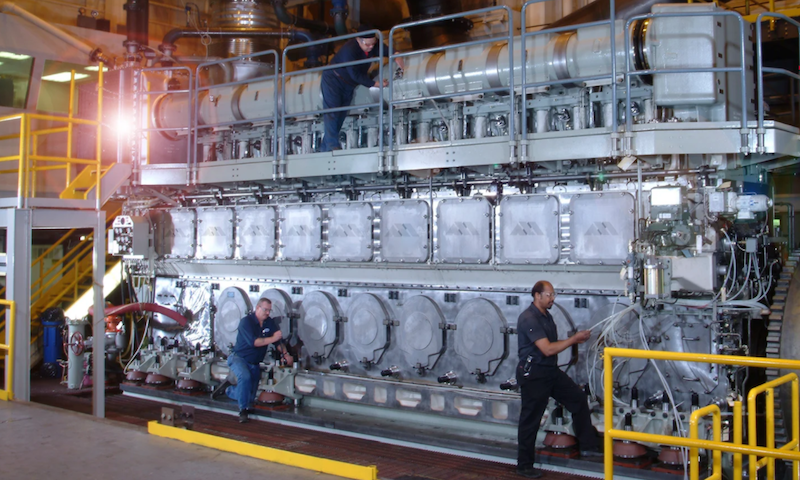
Some Fairbanks-Morse engines have remained operational for more than 70 years with only routine maintenance.
The Birth of Fairbanks-Morse
Fairbanks-Morse began in the United States during the 19th century. The company initially manufactured weighing scales before expanding into pumps, industrial equipment, gasoline engines, and diesel engines.
By the early 1900s, Fairbanks-Morse had become one of America’s leading engine manufacturers, earning a worldwide reputation for building dependable machinery.
Built Like a Tank
Unlike many modern engines that prioritize lightweight construction, Fairbanks-Morse engines were engineered for durability.
- Heavy cast-iron construction
- Oversized bearings
- Large crankshafts
- Simple mechanical components
- Excellent cooling capability
Their rugged construction allowed them to survive decades of continuous operation under demanding working conditions.
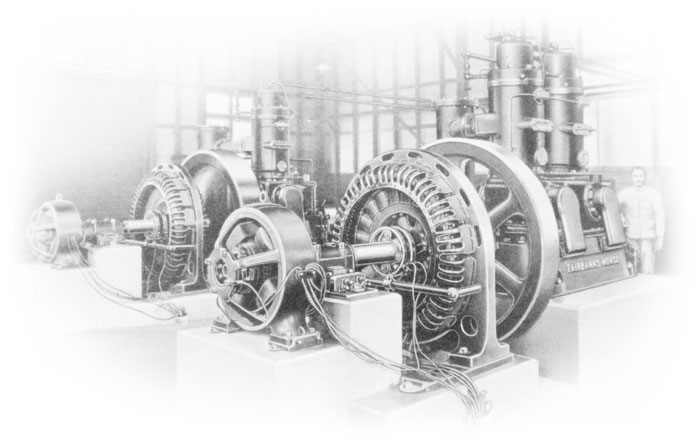
Why the Massive Flywheel?
One of the first things people notice is the enormous flywheel. Its purpose is much more than appearance.
The flywheel stores energy after each power stroke and releases it between combustion cycles, helping the engine maintain smooth rotation even at very low speeds.
Benefits include:
- Reduced vibration
- Smoother operation
- Better fuel efficiency
- Improved starting
- Consistent torque output
Slow RPM, Long Life
Many Fairbanks-Morse engines operated at relatively low engine speeds. Lower RPM means fewer moving cycles every minute, reducing friction and wear.
This simple engineering philosophy dramatically increased engine lifespan.

Where Were These Engines Used?
Fairbanks-Morse engines powered industries around the globe. Their versatility made them useful almost everywhere reliable power was needed.
- Water pumping stations
- Agriculture
- Factories
- Sawmills
- Electric generators
- Marine vessels
- Oil fields
- Remote villages
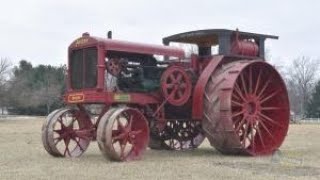
The Sound Everyone Recognizes
Vintage engine enthusiasts often recognize a Fairbanks-Morse engine before seeing it.
Its deep exhaust note, steady rhythm, and slow firing sequence produce one of the most iconic sounds in the vintage engine community.

Easy to Maintain
One of the biggest reasons these engines lasted for generations was their mechanical simplicity.
Unlike modern engines with electronic sensors and complex control systems, many repairs could be completed using ordinary workshop tools.
Why Collectors Love Them
Collectors continue restoring Fairbanks-Morse engines because they represent a remarkable period in industrial engineering.
- Historic value
- Mechanical simplicity
- Legendary durability
- Unique sound
- Beautiful cast-iron design
Five Fascinating Facts
- Some engines worked continuously for decades.
- They were exported worldwide.
- The company produced both gasoline and diesel engines.
- Many marine versions became famous for their reliability.
- Hundreds of restored engines continue operating today.
Why the Fairbanks-Morse Engine Still Matters
Today’s engines may offer more power and greater fuel efficiency, but few can match the longevity and ruggedness of a classic Fairbanks-Morse engine.
These machines prove that thoughtful engineering, high-quality materials, and simple mechanical design can create equipment capable of serving multiple generations.
Many Fairbanks-Morse engines are still started and demonstrated at vintage machinery shows around the world, often more than half a century after they were built.
Final Thoughts
The Fairbanks-Morse engine is more than just an old machine. It is a symbol of American engineering, industrial innovation, and mechanical reliability.
Whether powering a farm, running a generator, or attracting crowds at a vintage engine show, its legacy continues to inspire engineers, mechanics, and machinery enthusiasts across the world.
The 38D 8 1/4 engine, invented in 1938, powered our fleet submarines in the Pacific War. Each sub had four of these F-M engines driving four generators to drive electric motors/ propellers and keep large banks of batteries charged for power when submerged.