
Why Radial Aircraft Engines Have So Many Cylinders: The Engineering Secret Behind Their Incredible Reliability
If you’ve ever watched a vintage aircraft roar to life, you’ve probably noticed something unusual. Instead of the familiar V-shaped or inline engine layout found in modern cars, many classic airplanes use a massive circular engine with cylinder after cylinder wrapped around the propeller.
But why do these radial aircraft engines have 7, 9, 14, 18, or even 28 cylinders? Was it simply to produce more power, or was there a deeper engineering reason?
The answer combines physics, cooling efficiency, reliability, and aviation safety. Understanding why engineers chose so many cylinders reveals one of the smartest engine designs ever built.
What Is a Radial Aircraft Engine?
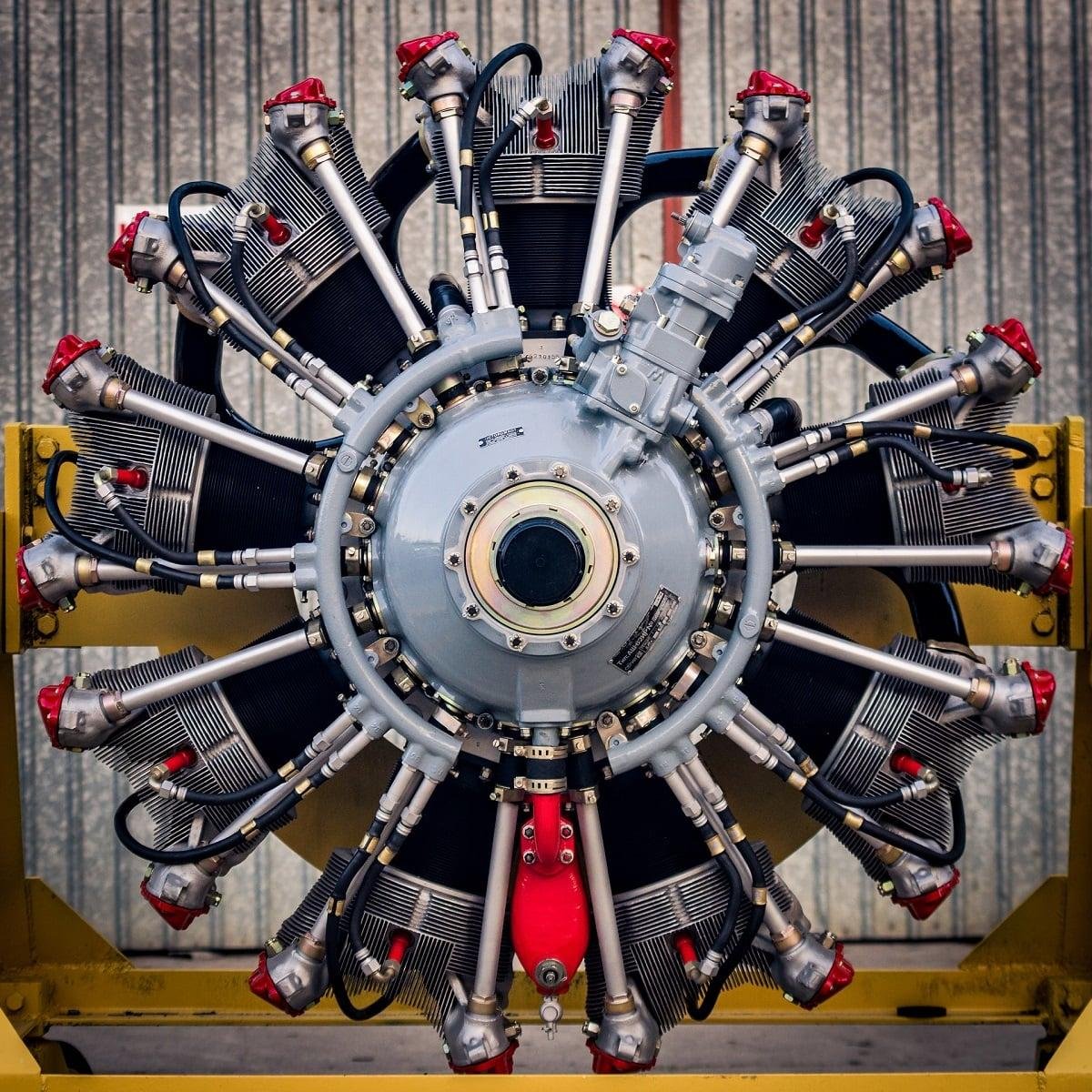
A radial engine is a piston engine where the cylinders are arranged like the spokes of a wheel around a central crankshaft.
Unlike inline or V engines, every cylinder receives direct airflow, making radial engines naturally air-cooled.
Some of the most legendary aircraft powered by radial engines include:
- Douglas DC-3
- Boeing B-17 Flying Fortress
- Grumman F6F Hellcat
- Chance Vought F4U Corsair
- Lockheed Constellation
These engines became famous for their durability, simplicity, and ability to keep running under extremely harsh conditions.
Know about history of Fairbanks Morse Engine
Watch a Radial Engine Come to Life
The Real Reason Radial Engines Have So Many Cylinders
It wasn’t simply about making engines bigger.
Engineers faced several problems at once:
- More horsepower
- Better cooling
- Lower vibration
- Greater reliability
- Smooth power delivery
- Compact engine size
Adding more cylinders solved all of them.
1. More Cylinders Mean More Power Without Giant Pistons
Power comes from burning fuel.
One way to make more power is using larger cylinders.
But giant pistons create problems:
- heavier components
- stronger vibrations
- slower engine speeds
- more stress on connecting rods
Instead, engineers used many smaller cylinders.
Advantages include:
- smoother operation
- lighter moving parts
- higher RPM
- improved efficiency
Rather than six enormous cylinders, engineers preferred eighteen smaller ones.
2. Odd Numbers Create Perfect Firing Order
One fascinating feature of radial engines is that every row almost always has an odd number of cylinders.
You’ll often see:
- 5 cylinders
- 7 cylinders
- 9 cylinders
Not:
- 6 cylinders
- 8 cylinders
Why?
The master rod system requires an odd number so that each cylinder fires evenly during every two crankshaft revolutions.
This creates:
- balanced power delivery
- smoother running
- reduced vibration
- consistent combustion
It’s one of the cleverest mechanical solutions in aviation history.
3. Air Cooling Works Better With Many Small Cylinders
Unlike modern liquid-cooled engines, most radial engines rely solely on airflow.
Every cylinder sticks directly into the passing air.
Smaller cylinders expose more cooling surface area.
That means:
- lower operating temperatures
- fewer overheating issues
- simpler engine design
- no radiator
- no coolant
- fewer leaks
This was a huge advantage during World War II.
4. Reliability Was More Important Than Everything Else
Aircraft engines don’t get a second chance.
A failure in a car means pulling over.
A failure in an airplane can become life-threatening.
Radial engines earned an incredible reputation because they could often continue running even after suffering damage.
Reasons include:
- independent cylinders
- air cooling
- rugged construction
- simple mechanical systems
Many combat aircraft safely returned home despite damaged cylinders.
5. More Power Without Making the Engine Longer
Inline engines become longer as cylinders are added.
A long engine creates problems:
- poor visibility
- heavier crankshaft
- structural stress
- larger aircraft nose
Radial engines avoid this.
Instead of adding length, engineers simply added another row.
Examples include:
Single Row
- 7 cylinders
- 9 cylinders
Twin Row
- 14 cylinders
- 18 cylinders
Four Row
- 28 cylinders
This allowed enormous power while keeping the aircraft relatively compact.
The Famous 18-Cylinder Radial Engines
Some of history’s most powerful piston aircraft engines used 18 cylinders.
Examples include:
- Pratt & Whitney R-2800 Double Wasp
- Wright R-3350 Duplex Cyclone
These engines produced:
- over 2,000 horsepower
- excellent reliability
- remarkable combat performance
Many aviation historians consider them among the greatest piston engines ever built.
Why Not Simply Build One Huge Cylinder?
At first glance, one massive cylinder sounds simpler.
Unfortunately, physics says otherwise.
Large cylinders suffer from:
- excessive vibration
- uneven combustion
- poor cooling
- slower piston speeds
- greater mechanical stress
Many smaller cylinders solve nearly every one of those issues.
Were There Any Disadvantages?
Radial engines weren’t perfect.
Some drawbacks included:
Higher Fuel Consumption
Large displacement meant higher fuel use.
More Drag
Their large circular shape increased aerodynamic drag.
Oil Leaks
Older radial engines became famous for dripping oil.
A common aviation joke says:
“If a radial engine isn’t leaking oil, it’s probably out of oil.”
Maintenance
Dozens of valves, spark plugs, and cylinders meant more maintenance.
Why Radial Engines Eventually Disappeared
After World War II, aviation entered the jet age.
Jet engines offered:
- much higher speeds
- better high-altitude performance
- fewer moving parts
- improved efficiency for large aircraft
Modern piston aircraft generally use horizontally opposed engines instead of radial designs.
However, radial engines remain popular in:
- airshows
- vintage aircraft
- museums
- restoration projects
Their unmistakable sound continues to attract aviation enthusiasts worldwide.
Engineering Lessons We Can Still Learn
Radial engines demonstrate an important engineering principle:
Sometimes adding complexity to one area creates greater simplicity overall.
By increasing the number of cylinders, engineers achieved:
- smoother operation
- better cooling
- higher reliability
- more horsepower
- compact packaging
It was an elegant solution to multiple engineering challenges.
Frequently Asked Questions
Why do radial engines usually have 9 cylinders?
Nine cylinders provide an ideal balance between smooth firing, compact size, cooling efficiency, and power output while maintaining the required odd-cylinder firing sequence.
Why are radial engines air-cooled?
The circular arrangement exposes every cylinder directly to airflow, eliminating the need for heavy liquid-cooling systems.
Why do radial engines use odd numbers of cylinders?
Odd numbers allow an even firing order using the master-and-articulating rod design, resulting in smoother engine operation.
Can a radial engine run with a damaged cylinder?
In many cases, yes. Their independent cylinder arrangement made them exceptionally tolerant of damage, one reason they were so highly valued in military aviation.
Final Thoughts
Radial aircraft engines weren’t built with many cylinders simply to impress people with their size. Every additional cylinder served a purpose—delivering more power, improving cooling, reducing vibration, and increasing reliability in an era when engine failure could be catastrophic.
Even today, the thunderous startup of a classic radial engine remains one of the most recognizable sounds in aviation, a testament to engineering that prioritized durability and practical performance over simplicity.
Follow Crazy Mechanisms
Stay updated with fascinating stories about aircraft engines, vintage machinery, locomotives, tanks, and mechanical engineering.
https://instagram.com/crazymechanisms
▶️ YouTube
https://youtube.com/@crazymechanisms
🌐 Read More
Visit Crazy Mechanisms for in-depth articles, startup videos, engineering explainers, and the incredible history behind the world’s most fascinating machines.